

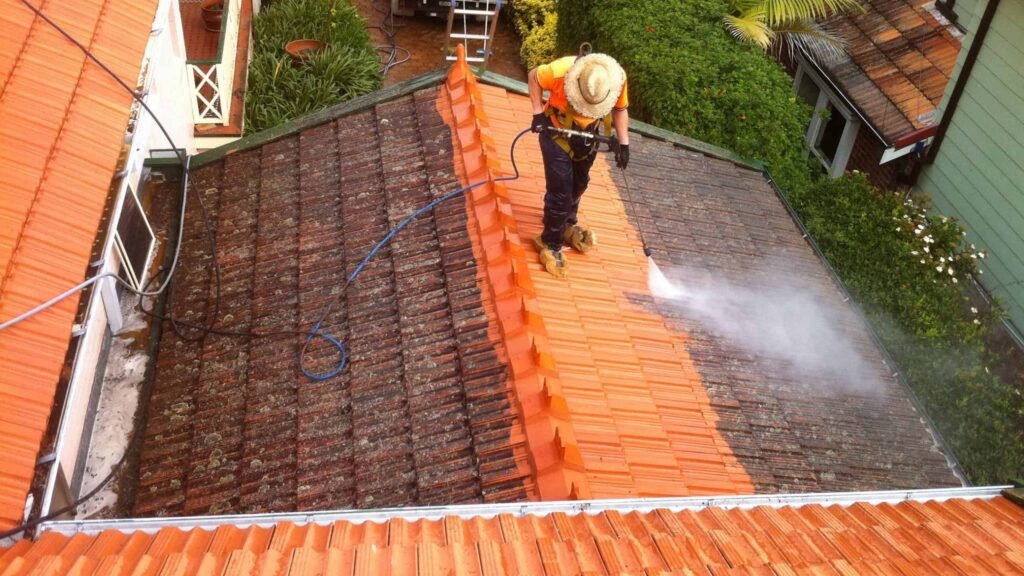
Your roof protects your home from Melbourne’s changing weather, but it is exposed to rain, wind, heat, falling branches and moisture throughout the year. Small problems such as a cracked tile, blocked gutter or deteriorating flashing can become more serious if they are left unnoticed.
A practical roof maintenance checklist helps homeowners keep track of these issues before they lead to leaks or more extensive damage. As a general precaution, inspect your roof at least twice a year and after major storms. Regular checks also make it easier to decide when routine maintenance is enough and when you need professional assistance.
What Should You Check During a Roof Inspection?
A thorough roof inspection checklist should cover more than the visible roofing surface. Gutters, downpipes, flashing, roof penetrations and the areas beneath the roof can all provide clues about its condition.
Start with a visual inspection from ground level. Look for anything that appears broken, displaced, rusted or deteriorated. You can use binoculars to examine areas that are difficult to see clearly, but avoid climbing onto the roof if you are not equipped and trained to do so.
Roof area | What to check |
Tiles and sheets | Cracks, breaks, movement or lifted sections |
Gutters and downpipes | Leaves, debris, rust and blocked drainage |
Flashing and seals | Gaps, corrosion, cracks or deterioration |
Interior areas | Dampness, mould, stains or moisture |
If several issues are visible or you are unsure about the condition of your roof, a professional roof condition assessment can provide a clearer picture of what requires attention.
Essential Roof Maintenance Tasks
Effective roof care does not necessarily involve complicated work. Consistent checks and basic maintenance can help prevent minor defects from becoming larger problems.
- Clean gutters and downpipes: Remove leaves, twigs and other debris so rainwater can drain away from the roof properly.
- Check roof tiles and sheets: Look for cracked or broken tiles, displaced sections and lifted or damaged metal sheets.
- Inspect flashing and sealants: Pay particular attention to areas around chimneys, skylights and vents, where gaps or deteriorated seals can allow water to enter.
- Trim overhanging branches: Branches close to the roof can scrape against roofing materials or fall during strong winds.
- Check inside the roof space: Look for damp areas, mould, water stains or unusual moisture around ceilings and rafters.
These roof maintenance tips are useful for routine observation, but homeowners should not attempt repairs that require roof access, specialist equipment or technical knowledge. Roofing work can present significant fall and electrical hazards when carried out without appropriate precautions.
Create a Roof Maintenance Schedule
Melbourne homeowners can make routine roof maintenance easier by checking different parts of the roof at appropriate times of the year.
Autumn: Clear leaves and debris from gutters, valleys and box gutters before the wetter winter period.
Winter: Check that gutters and downpipes are draining properly and look inside the home for damp patches, water stains or other signs of moisture.
Summer: Trim branches near the roof and check painted or coated roof surfaces for visible deterioration.
A consistent roof maintenance schedule also helps you keep track of previous inspections and identify changes over time. If you notice the same problem returning after maintenance or repairs, it may indicate an underlying issue that needs a professional assessment.
Look Out for Signs of Roof Damage
Not every roofing problem starts with a visible leak. Some signs of roof damage can appear gradually and may be easier to identify from inside the property.
Cracked or missing tiles, damaged metal sheets, rust, deteriorating flashing, sagging sections and excessive debris around the roof should be investigated. Inside the home, check for water stains on ceilings, damp patches, mould or unexplained moisture around the roof space.
The earlier a problem is identified, the easier it is to determine what action is required. A damaged tile or deteriorating seal may only require a targeted repair, whereas prolonged water entry can affect ceilings, insulation, timber and other parts of the property.
When Should You Call a Roofing Professional?
Routine visual checks are useful, but they cannot replace a professional inspection when there is evidence of damage. Contact a qualified roofing professional if you find persistent leaks, damaged roofing materials, extensive rust, deteriorated flashing or areas that are unsafe to access.
A professional can assess the condition of the roof, identify the likely source of a problem and recommend whether repair, maintenance or more extensive roofing work is appropriate. This gives homeowners a clearer understanding of the work required instead of relying on guesswork.
Conclusion
A well-maintained roof starts with regular attention. By checking your roofing materials, keeping gutters clear, monitoring drainage and looking for early signs of moisture or deterioration, you can identify potential problems before they become more disruptive. For Melbourne homeowners, carrying out these checks after severe weather and throughout the changing seasons is a practical part of responsible home maintenance.
However, knowing when to stop a DIY inspection is just as important. If you find damage, recurring leaks or anything you cannot safely assess yourself, professional advice can help protect your home and prevent a small roofing issue from becoming a larger repair.
Keep your Melbourne home protected with reliable roofing care from GL Roofers. Contact the team or visit the website to arrange a professional roof assessment and discuss the maintenance or repair your roof needs.
FAQs
1.How often should I inspect my roof in Melbourne?
Inspect your roof at least twice a year and after major storms. Properties surrounded by trees or exposed to severe weather may need more frequent checks.
2.What are the main signs of roof damage?
Common signs of roof damage include cracked or missing tiles, damaged metal sheets, rust, deteriorated flashing, sagging areas and water stains or dampness inside the home.
3.Can I complete a roof inspection myself?
You can carry out a basic visual check from ground level and inspect accessible interior areas. Avoid climbing onto the roof unless you have the appropriate safety equipment and training.
4.Why is a roof maintenance schedule useful?
A roof maintenance schedule helps you carry out inspections consistently rather than waiting for a leak or obvious problem. It also makes it easier to track recurring issues and maintenance work.
5.When should I arrange a professional roof condition assessment?
Arrange a professional roof condition assessment if you notice persistent leaks, significant deterioration, damaged roofing materials or any issue you cannot safely identify or evaluate yourself.